Renters Insurance in and around Port Washington
Renters of Port Washington, State Farm can cover you
Coverage for what's yours, in your rented home

Would you like to create a personalized renters quote?
Home Is Where Your Heart Is
There's a lot to think about when it comes to renting a home - outdoor living space, size, number of bedrooms, house or townhome? And on top of all that, insurance. State Farm can help you make insurance decisions easy.
Renters of Port Washington, State Farm can cover you
Coverage for what's yours, in your rented home

Why Renters In Port Washington Choose State Farm
When the unanticipated fire happens to your rented condo or space, generally it affects your personal belongings, such as a laptop, a tablet or sports equipment. That's where your renters insurance comes in. State Farm agent Michael Duval can help you evaluate your risks so that you can protect your belongings.
It's always a good idea to be prepared. Call or email State Farm agent Michael Duval for help getting started on options for your policy for your rented space.
Have More Questions About Renters Insurance?
Call Michael at (516) 944-9266 or visit our FAQ page.
Simple Insights®
Insurance and other tips for college students and their belongings

Insurance and other tips for college students and their belongings
Learn how your homeowners insurance policy can help protect your college student and their belongings while they are living in a residence hall or dorm.
How to deal with noisy neighbors or issues
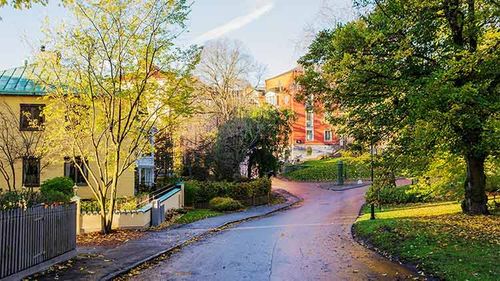
How to deal with noisy neighbors or issues
From noisy neighbors and arguments over property lines to adventurous pets, there are ways to successfully resolve disputes between neighbors.

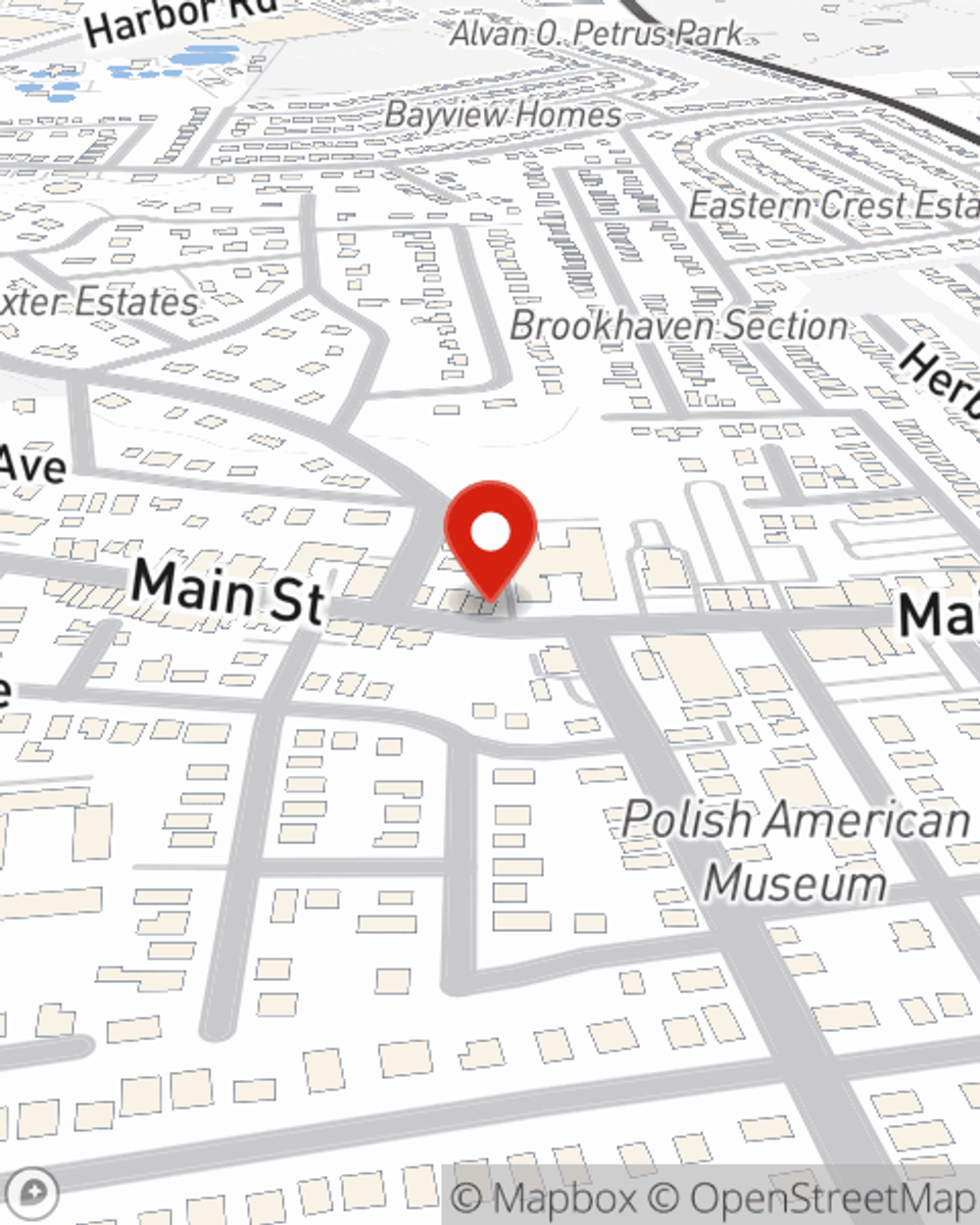
Would you like to create a personalized renters quote?
Simple Insights®
Insurance and other tips for college students and their belongings
Insurance and other tips for college students and their belongings
Learn how your homeowners insurance policy can help protect your college student and their belongings while they are living in a residence hall or dorm.
How to deal with noisy neighbors or issues
How to deal with noisy neighbors or issues
From noisy neighbors and arguments over property lines to adventurous pets, there are ways to successfully resolve disputes between neighbors.